18/07/2022
Hotline
(+84) 911433006
 0
0



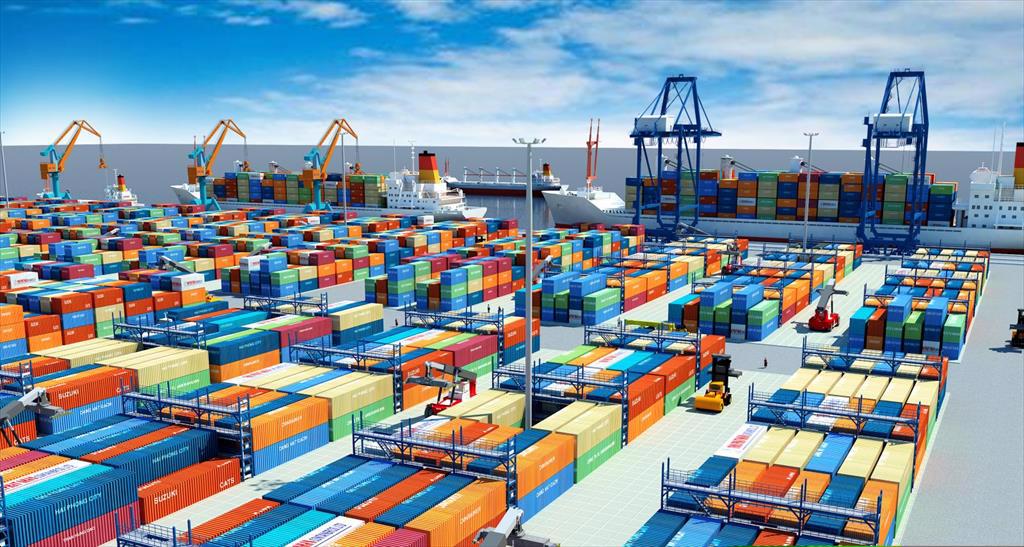
Container transport is the use of containers to transport goods by sea, road, railway. This form has many great advantages and is indispensable for many production and business enterprises.
Container shipping methods
These forms will differ in the responsibility of the shipper (shipper), consignee (consignee) and carrier (carrier). The carrier here can be the owner of a shipping company or a charterer to do freight services.
Full container load (FCL) - Full container shipping
Usually used when transporting the same goods and can fill a full container. The shipper (shipper) will rent a whole container to transport the container.
Shipper's responsibilities in the form of FCL
Take empty containers at the port to the warehouse for packing or packing at the carrier's container yard (CY). Shippers can hire trucking services (domestic shipping) for convenience.
Properly pack the goods, ensure that the goods do not move during transportation, the goods are securely closed, and there is no empty space in the container.
In order to identify the type of goods, the sender needs to type the code of the goods symbol and the symbol to be loaded onto the container.
Seal the seal, do customs clearance to proceed container transport.
Carry and deliver the container to the carrier, receive the bill of lading from the carrier. Before that, the shipper needs to send a bill to the carrier (including information such as bill of lading number, name of sender, recipient, information about goods ...) for the carrier to declare manifest with customs.
Bear the costs incurred for the above activities.
Liability of the carrier in the form of FCL
Issuing B/L bill of lading and declaring manifest (declaring goods information with customs) to the shipper. Pay attention to the correct information (the carrier sends the draft bill before sending the bill to the shipper).
Manage goods to ensure the same as when receiving goods from the sender. Cargo care is from the time the container is received from the shipper to the time it is delivered to the consignee.
Load the container onto the ship, arrange the container properly before the ship departs.
When the container arrives at the destination port, unload the container from the vessel onto the container yard at the port.
Make a D/O delivery order and deliver the order to the recipient. Then deliver the container to the recipient.
Bear the costs arising from the above activities.
Responsibilities of the consignee with FCL container transport
Do customs procedures, pay attention to prepare all required documents.
Present the B/L bill of lading to the carrier.
Obtain a Delivery Order (DO) from the carrier. This order matches the information with the manifest, the new customs will deliver the goods.
Receive the container and transport the container to the warehouse, pick up the goods, then return the empty container to the carrier (or to the container rental unit).
Bear the costs arising from the above activities.
Less than container load (LCL) - Retail shipping
Usually used when shippers do not have enough cargo to pack a full container. At this time, the consolidator will collect odd goods from many shippers to pack into one container.
The consignor can be the carrier or the forwarder (the forwarder is the intermediary who arranges the transportation of goods, in the name of the consignor in the contract). Usually the Forwarder (FWD), here is the middleman specializing in the service of container transportation for the goods owner in the field of import and export.
Responsibilities of the shipper
Packing, bringing goods to CFS (Container Freight Station - Container packing or unloading station) of the consolidator.
Prepare all necessary documents to make bills of lading, customs procedures and transfer to consolidators.
Receive B/L bill of lading from consignor.
Bear the costs arising from the above activities.
Responsibilities of the carrier
The carrier in this form has the responsibility of both the shipper and the carrier in the form of full-container carriage. That is packing the goods into the container (after gathering and arranging the odd cargo from the shippers), declaring the manifest, sealing the seal, doing customs procedures, loading the container onto the carrier, unloading the container from the ship to the destination port, delivery to the recipient.
The carrier bears all costs arising from the above activities.
Responsibilities of the consignee
Customs clearance for the shipment.
Receive goods at the return station after presenting the bill of lading to the consolidator.
Pay the handling fee for the consignor (the fee for procedures such as manifest, D/O, container care, etc.)
Combined freight (FCL/LCL or LCL/FCL)
This form of container transport is a combination of the above two forms, divided into the following 2 types:
FCL/LCL (Shipping in full container, delivery in retail)
LCL/FCL (Selling goods, delivering full containers)
For example, for retail, full delivery, the responsibility of the shipper and the carrier is the same as that of the retail method, and when receiving the goods, the carrier and the consignee have the same responsibility as the whole method of shipping. containers.
Process of forwarding and transporting goods by container
If you choose container shipping , please refer to the following freight steps:
Find and select shipping lines to transport goods. Pay attention to ask for full costs and bargain after comparing with
Đối tác của chúng tôi